Understanding ingredients
Phosphatidylserine and sulforaphane in cognitive health research
Phosphatidylserine helps organize cell membrane signaling, while sulforaphane regulates defense genes. Explore their roles and results from human cognition tests.
01
Phosphatidylserine: a membrane component that helps signaling
Phosphatidylserine (PS) is a phospholipid in cell membranes. Phospholipids form a double layer, with water facing heads on the outside and lipid tails meeting inside. PS is mainly in the inner layer facing the cytoplasm.
The membrane separates inside from outside and brings signaling proteins together. Negatively charged PS helps some proteins bind to the membrane. In 2011, Huang and colleagues studied how PS supports membrane binding and activation of Akt in cell experiments.
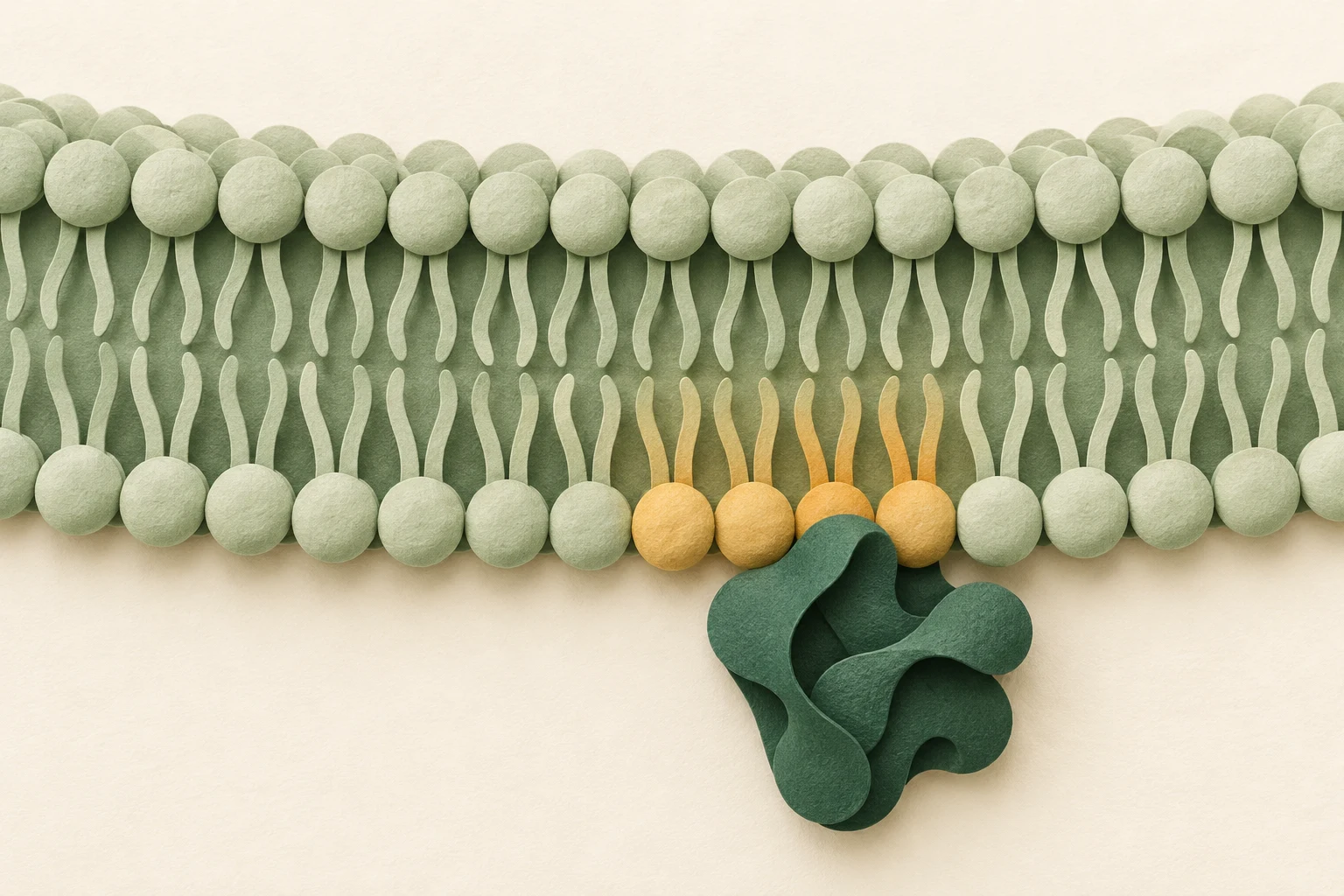
Yellow represents PS in the inner membrane layer; dark green represents a membrane binding signaling protein. Concept illustration.
Sources [5]
02
Phosphatidylserine guidance and human research
South Korea’s Ministry of Food and Drug Safety recognizes PS as an ingredient that may help improve cognition diminished by aging.
In 2010, Kato-Kataoka and colleagues recruited 78 adults aged 50–69 who reported memory complaints. Participants received 100 mg or 300 mg PS per day or placebo for six months; 73 completed the study.
Across all participants, test scores improved similarly in each group, including placebo. In the subgroup with lower memory scores at baseline, delayed verbal recall and other measures improved from baseline with PS.
03
Sulforaphane forms when precursor and enzyme meet
Glucoraphanin in broccoli sprouts is a precursor to sulforaphane. Myrosinase is the enzyme that starts its conversion.
When plant tissue is broken, precursor and enzyme meet and sulforaphane can form. If plant myrosinase activity is low, the gut microbiome’s conversion capacity also matters. A 2015 human study by Fahey and colleagues examined higher sulforaphane availability when active myrosinase was present.
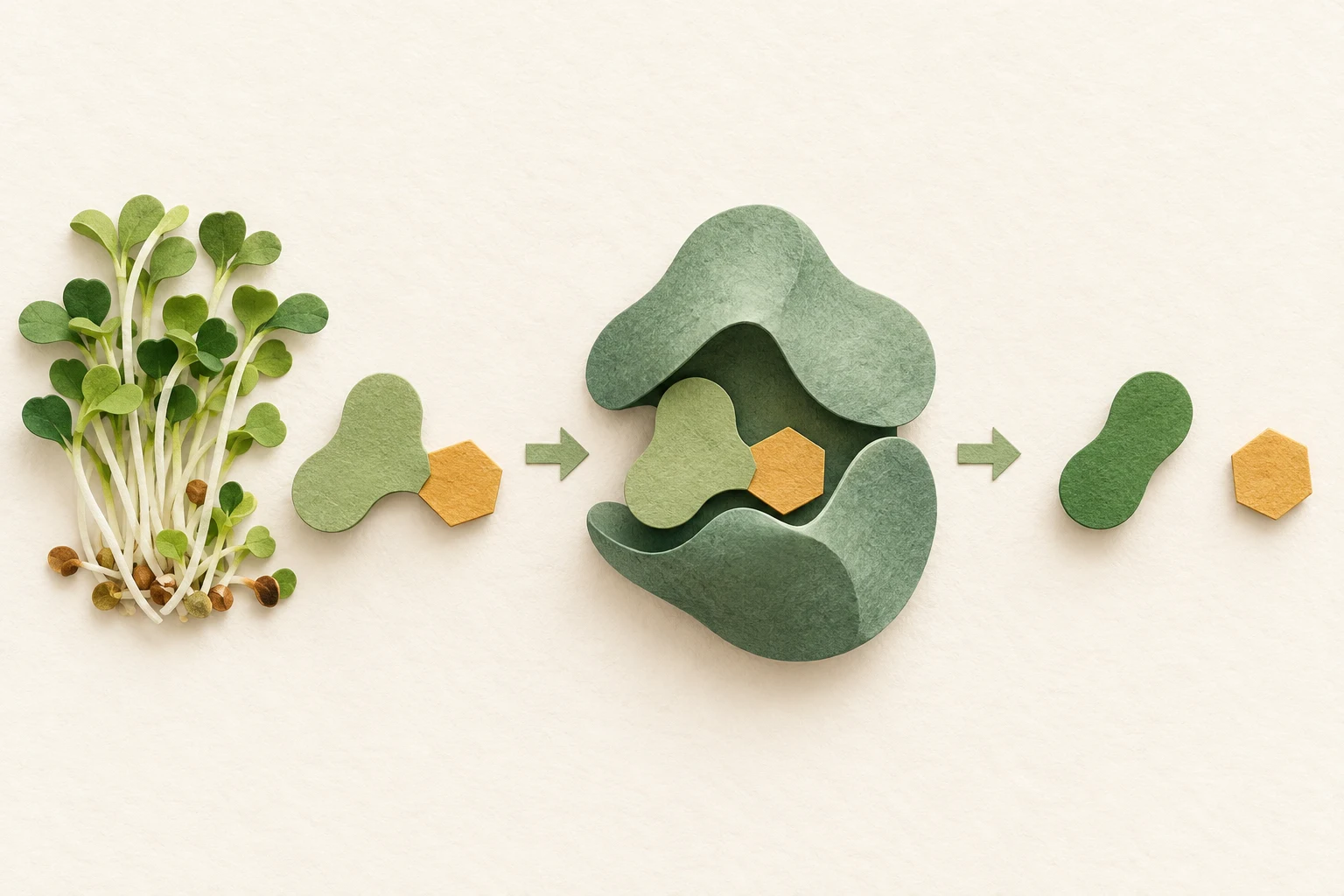
From left: precursor, contact with enzyme, and converted product. Concept illustration of glucoraphanin becoming sulforaphane.
Sources [4]
04
Different roles in membranes and defense genes
One pathway studied for sulforaphane is KEAP1–NRF2. A change in KEAP1 regulated NRF2 breakdown can allow NRF2 to accumulate in the nucleus and regulate genes for antioxidant and detoxification enzymes. This helps cells prepare proteins that respond to stress.
PS participates in membrane structure and signaling protein activity; sulforaphane participates in regulation of cellular defense through KEAP1–NRF2.
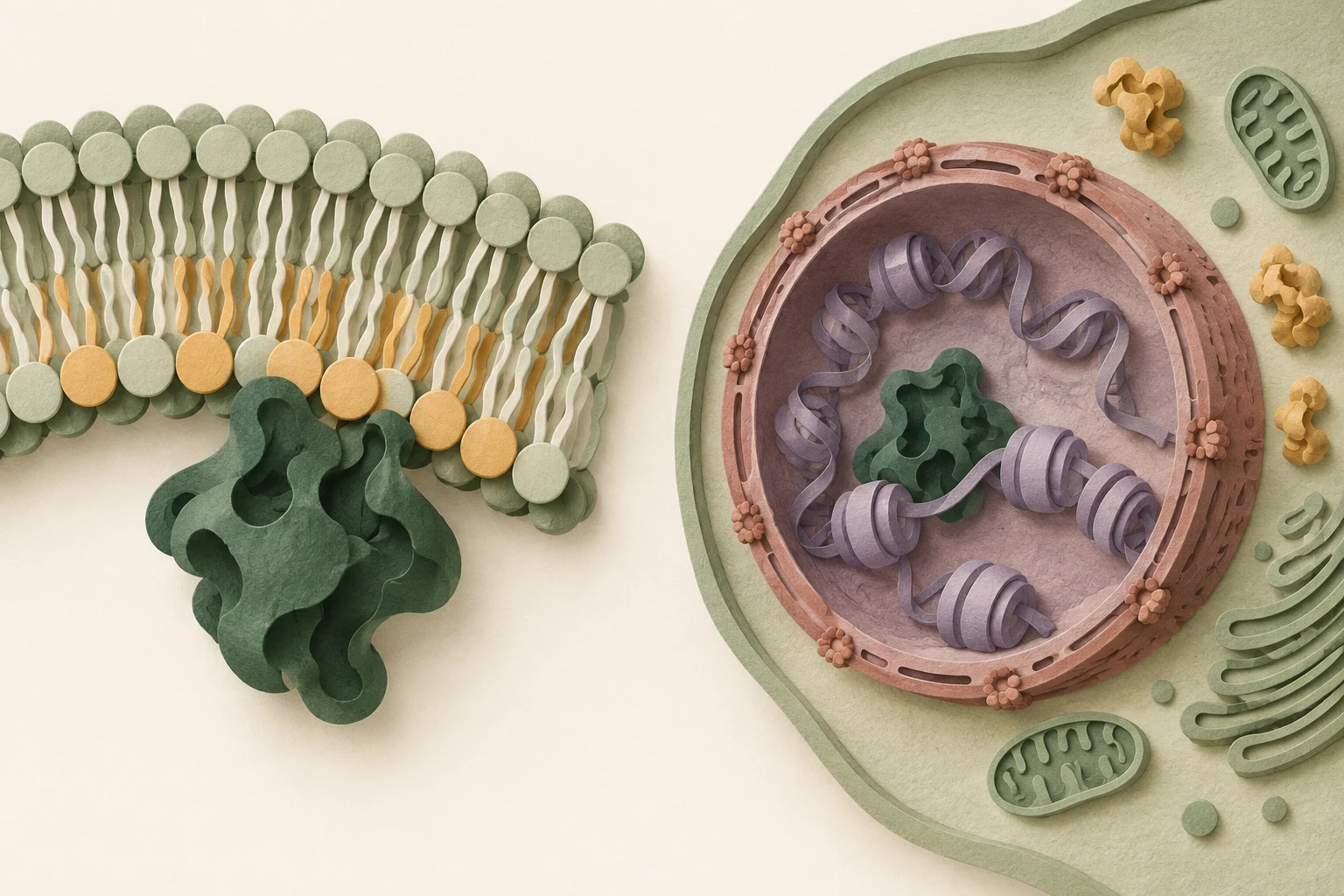
Left: signaling at the membrane. Right: regulation of defense genes in the nucleus. Concept illustration of the distinct cellular roles studied for these ingredients.
05
Reading cognition tests alongside cellular markers
In 2022, Nouchi and colleagues ran a 12 week placebo controlled trial in 144 healthy adults aged 60–80. The intake group took a supplement providing 30 mg glucoraphanin daily, a precursor to sulforaphane.
Processing speed improved versus placebo on the Symbol Search test, which asks participants to find target symbols quickly. Other cognitive tests did not show statistically clear differences. Blood markers related to defense, including HO-1 and GST, did not change significantly.

The 2022 Nouchi study measured both cognition and blood markers.
- Symbol Search
Processing speed improved versus placebo in the glucoraphanin group.
- Other cognitive tests
Other outcomes did not show statistically clear differences.
- Blood defense markers
HO-1, GST, and other measured markers did not change significantly.
Sources [3]
References
Oct 19, 2026 sources reviewed
- South Korean MFDS (2025) · Technical guidance on phosphatidylserine ↗
Official information on safety and functional claims for this ingredient.
- Food Safety Korea · Phosphatidylserine 20F product registration ↗
Registered ingredient information and functional wording in South Korea.
- Nouchi et al. (2022) · Effects of sulforaphane intake on processing speed and negative moods in healthy older adults ↗
Twelve week randomized trial of 144 healthy older adults; the study material was a supplement containing glucoraphanin.
- Fahey et al. (2015) · Sulforaphane Bioavailability from Glucoraphanin-Rich Broccoli: Control by Active Endogenous Myrosinase ↗
Human study comparing glucoraphanin conversion and sulforaphane availability with and without active myrosinase.
- Huang et al. (2011) · Phosphatidylserine is a critical modulator for Akt activation ↗
Cell study of PS in the inner membrane layer and Akt membrane binding and activation.
- Kato-Kataoka et al. (2010) · Soybean-Derived Phosphatidylserine Improves Memory Function of the Elderly Japanese Subjects with Memory Complaints ↗
Seventy eight adults aged 50–69 were recruited to receive 100 mg or 300 mg PS or placebo for six months. Results included overall and baseline memory subgroup analyses.
- Zhang et al. (2004) · Keap1 Is a Redox-Regulated Substrate Adaptor Protein for a Cul3-Dependent Ubiquitin Ligase Complex ↗
Cell study of KEAP1 and CUL3 marking NRF2 for breakdown and sulforaphane regulation.
Read next
Explore the Journal →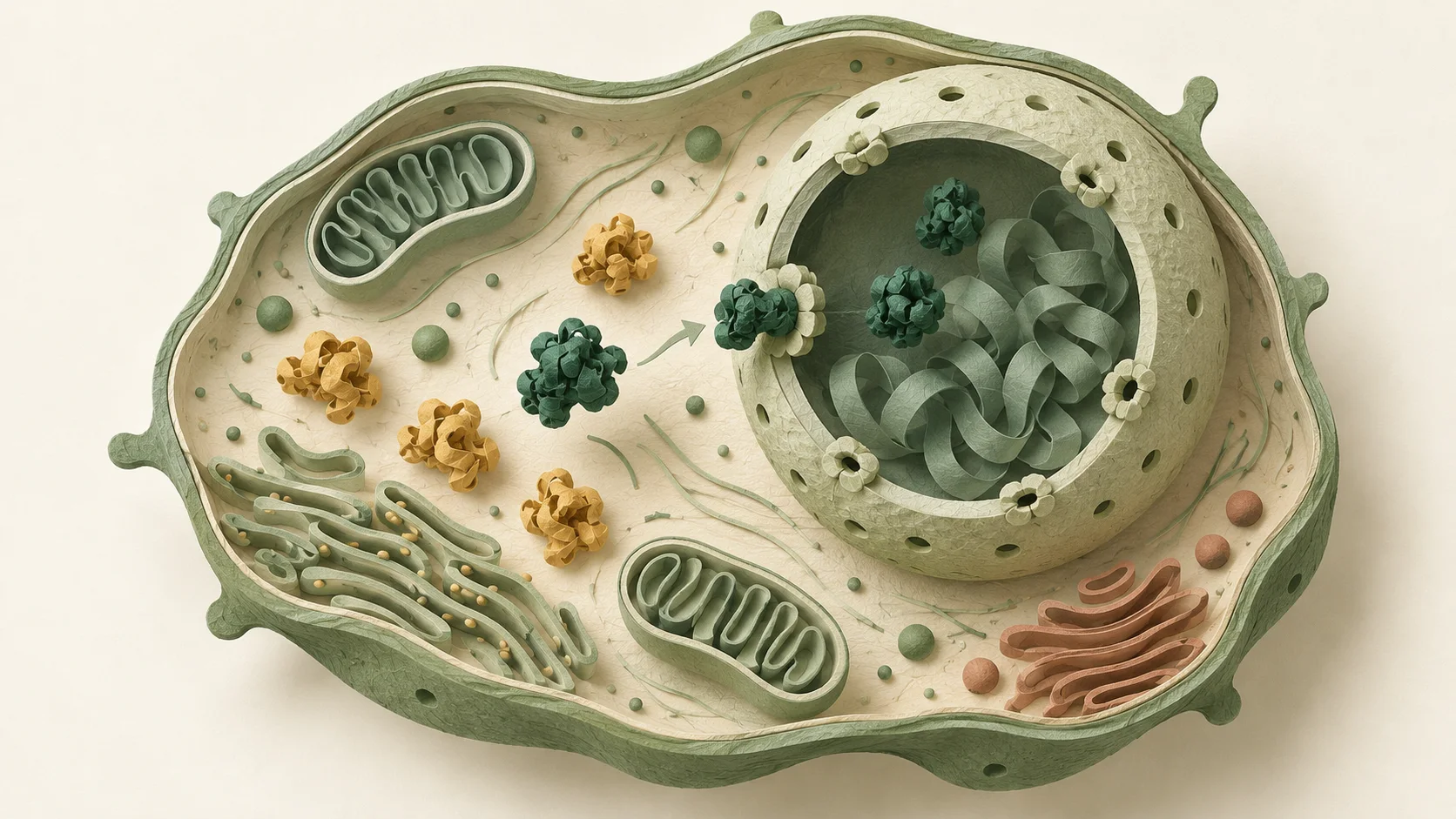
Cellular health basics
Sulforaphane and cellular health: how defense works
Explore how sulforaphane relates to cellular defense genes through KEAP1–NRF2 signaling, from reactive oxygen processing and antioxidant regeneration to human studies.

Research on cellular aging
Sulforaphane and cellular aging: reading the clocks
Explore cell senescence, immune cell responses after exercise, and gene expression based aging clocks through sulforaphane research.

SOD and antioxidant mechanisms
SOD, broccoli sprouts, and sulforaphane
Explore how SOD processes reactive oxygen and how sulforaphane relates to cellular defense genes, including enzyme formulations, human studies, and conversion in broccoli sprouts.

Aging well
Healthy aging: cognition and cellular defense
Explore sulforaphane and healthy aging through a 12 week cognition trial, a 42 month pilot study, and research on glutathione in blood immune cells.
Understanding cells
Cellular recycling: autophagy and sulforaphane
Autophagy encloses, breaks down, and reuses worn cell components. Explore cultured cell research linking sulforaphane with mTOR, TFEB, and ERK signaling.
Sleep and cells
Cellular defenses studied in sleep apnea research
Researchers studied sulforaphane responses in mice exposed to repeated low oxygen and in cultured neurons, examining NRF2, endoplasmic reticulum stress, and brain cell injury.