Aging well
Healthy aging: cognition and cellular defense
Explore sulforaphane and healthy aging through a 12 week cognition trial, a 42 month pilot study, and research on glutathione in blood immune cells.

01
Looking at different cognitive abilities
As we age, we may want to preserve quick judgment and the ability to remember recent information. Cognitive research measures these abilities separately. Knowing what each test asks makes the findings more specific.
Processing speed is how quickly we recognize information and respond. Working memory holds information briefly while we use it. Episodic memory recalls earlier experiences or learned information. The word “memory” covers several distinct processes.

From left: processing speed, working memory, and recall of learned information. Concept illustration of these abilities.
- 01
Quick recognition
Finding a target symbol among several symbols tests processing speed.
- 02
Holding and using information
Repeating numbers in reverse order requires remembering them and changing their order.
- 03
Recalling later
Recalling words learned earlier tests memory retention and retrieval.
02
Which abilities changed in the 12 week study?
In 2021, Nouchi and colleagues ran a 12 week randomized trial with 144 healthy older adults. Four groups combined daily intake of 30 mg glucoraphanin, a sulforaphane precursor, or placebo with either brain training or a Tetris game.
The glucoraphanin groups improved more than placebo on processing speed and working memory tests. Combining glucoraphanin with brain training did not show an additional benefit.
Sources [1]
03
Cells make glutathione
Cognitive tests measure one aspect of health. Inside cells, oxidation reactions during metabolism are regulated to maintain the internal environment. Glutathione is an antioxidant involved in this process, a small molecule made from glutamate, cysteine, and glycine.
Sulforaphane research examines how NRF2, which regulates cellular defense genes, relates to glutathione synthesis. NRF2 regulates expression of the synthesis enzyme GCL. In 2019, Sedlak and colleagues studied how glutathione synthesis and breakdown in cultured neurons connects to glutamate use and neural signaling.
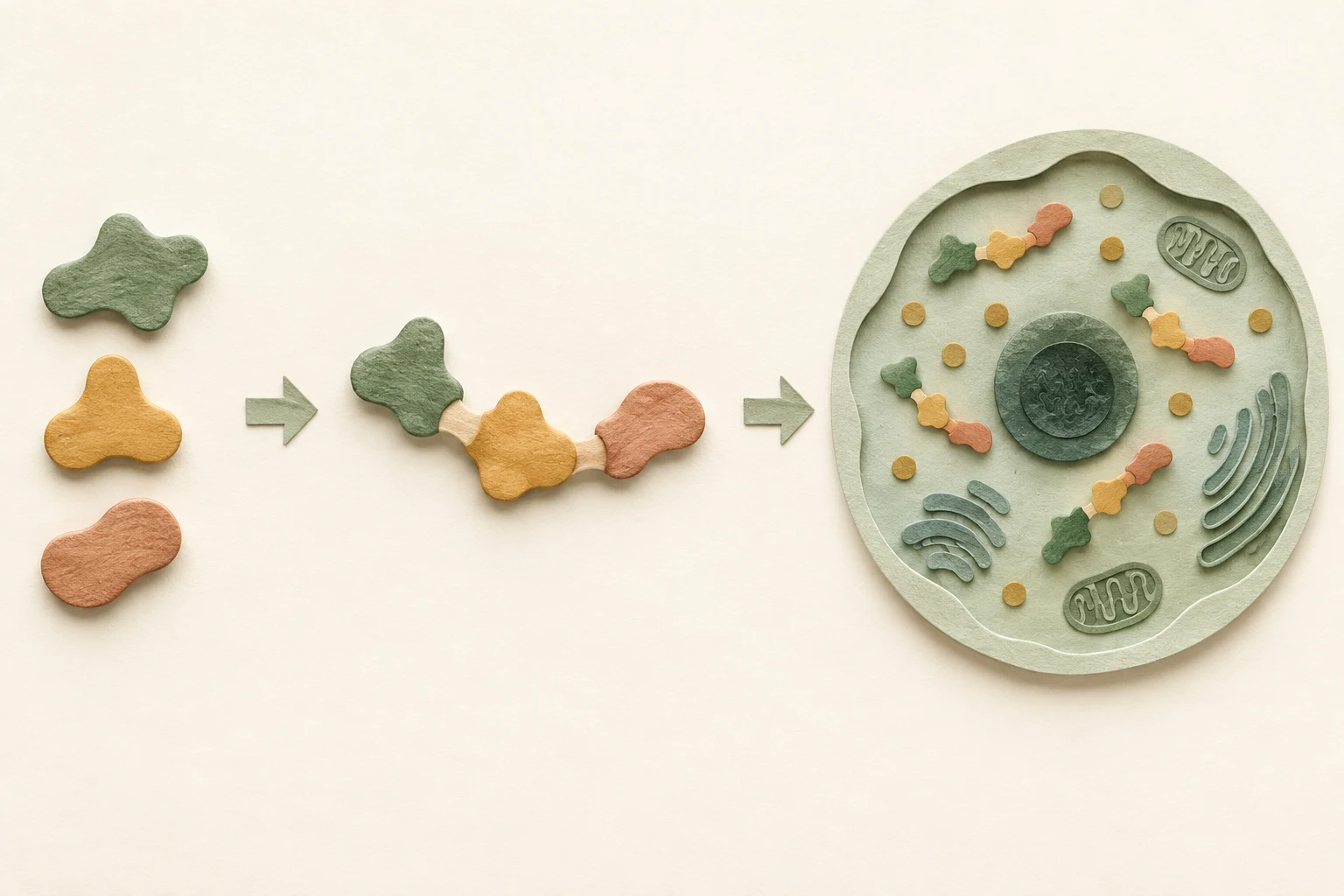
Glutathione consists of three amino acids. The illustration shows its components, assembly, and presence in a cell.
04
Measuring defense molecules in people
In a 2018 Sedlak study, nine healthy adults took 100 μmol sulforaphane daily for seven days. Glutathione increased in a blood immune cell fraction compared with baseline. This was a small before and after study without placebo.

Cognitive tests and biomarkers measure different kinds of change.
- Cognitive tests
Measure how people process information and remember.
- Cellular defense marker
Measures a substance associated with bodily responses, such as glutathione in blood immune cells.
Sources [3]
05
Memory changes in a 42 month pilot study
In 2026, Shimizu and colleagues reported a 42 month pilot study of older adults at risk of cognitive decline. They repeatedly measured memory in groups taking 30 mg glucoraphanin daily or placebo. The full analysis included 25 participants; 19 completed the study.
Across the full follow up, memory index change was greater in the glucoraphanin group. Completers also had higher endpoint scores, but change from baseline and rates of transition or recovery between normal cognition and mild cognitive impairment did not differ significantly between groups.

Long studies assess the same participants at multiple time points. Concept illustration of the observation period.
Sources [2]
References
Oct 19, 2026 sources reviewed
- Nouchi et al. (2021) · Cognition and glucoraphanin intake in older adults ↗
A 12 week randomized trial in 144 healthy older adults.
- Shimizu et al. (2026) · Memory over 42 months of glucoraphanin intake ↗
A 42 month placebo controlled pilot in older adults at risk of cognitive decline; 25 in the full analysis and 19 completers.
- Sedlak et al. (2018) · Sulforaphane and glutathione changes ↗
A seven day before and after comparison in nine healthy adults.
- Sedlak et al. (2019) · The glutathione cycle shapes synaptic glutamate activity ↗
Cultured neuron study of glutathione synthesis and breakdown and glutamate signaling.
Read next
Explore the Journal →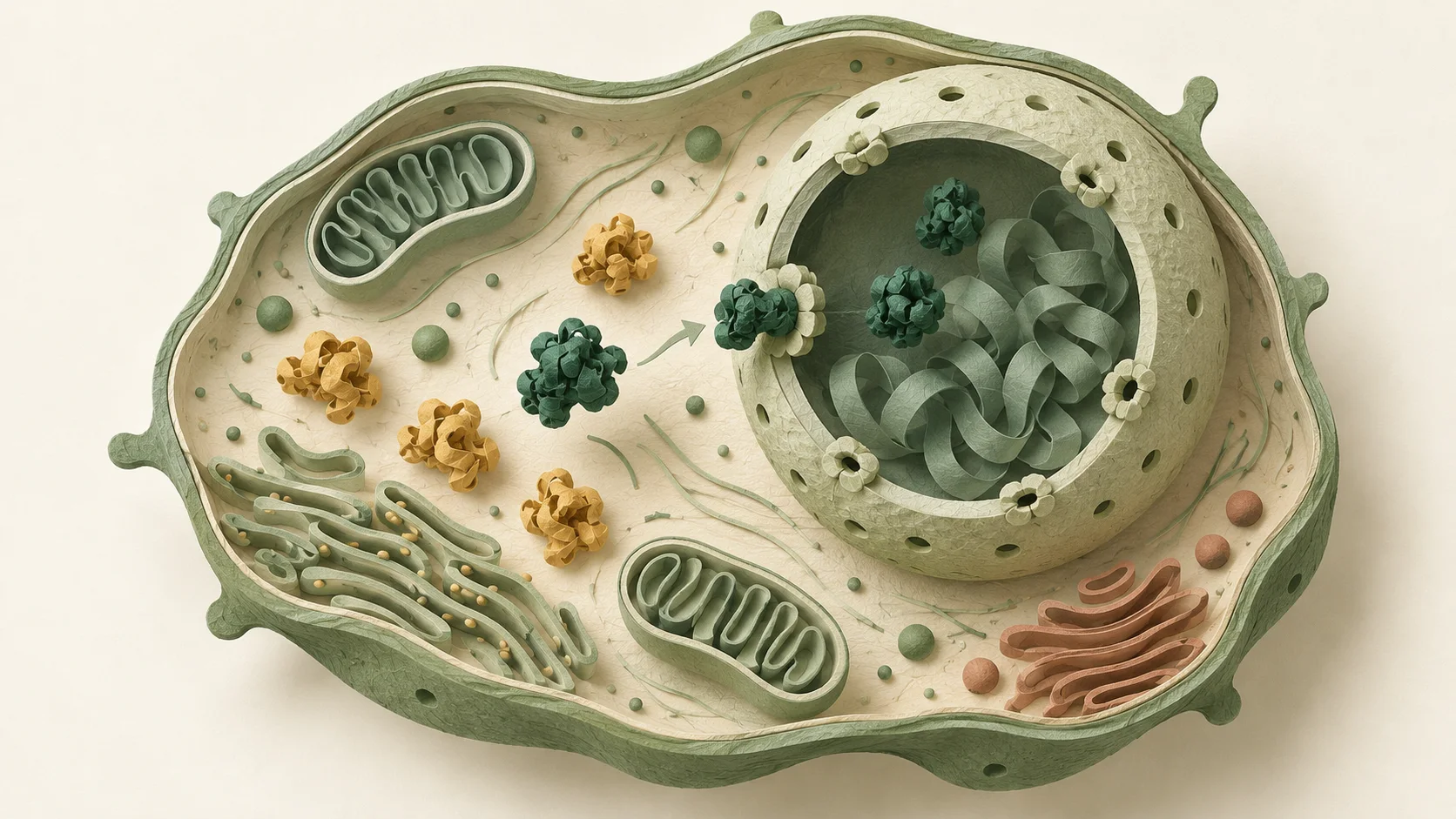
Cellular health basics
Sulforaphane and cellular health: how defense works
Explore how sulforaphane relates to cellular defense genes through KEAP1–NRF2 signaling, from reactive oxygen processing and antioxidant regeneration to human studies.

Research on cellular aging
Sulforaphane and cellular aging: reading the clocks
Explore cell senescence, immune cell responses after exercise, and gene expression based aging clocks through sulforaphane research.

SOD and antioxidant mechanisms
SOD, broccoli sprouts, and sulforaphane
Explore how SOD processes reactive oxygen and how sulforaphane relates to cellular defense genes, including enzyme formulations, human studies, and conversion in broccoli sprouts.
Understanding cells
Cellular recycling: autophagy and sulforaphane
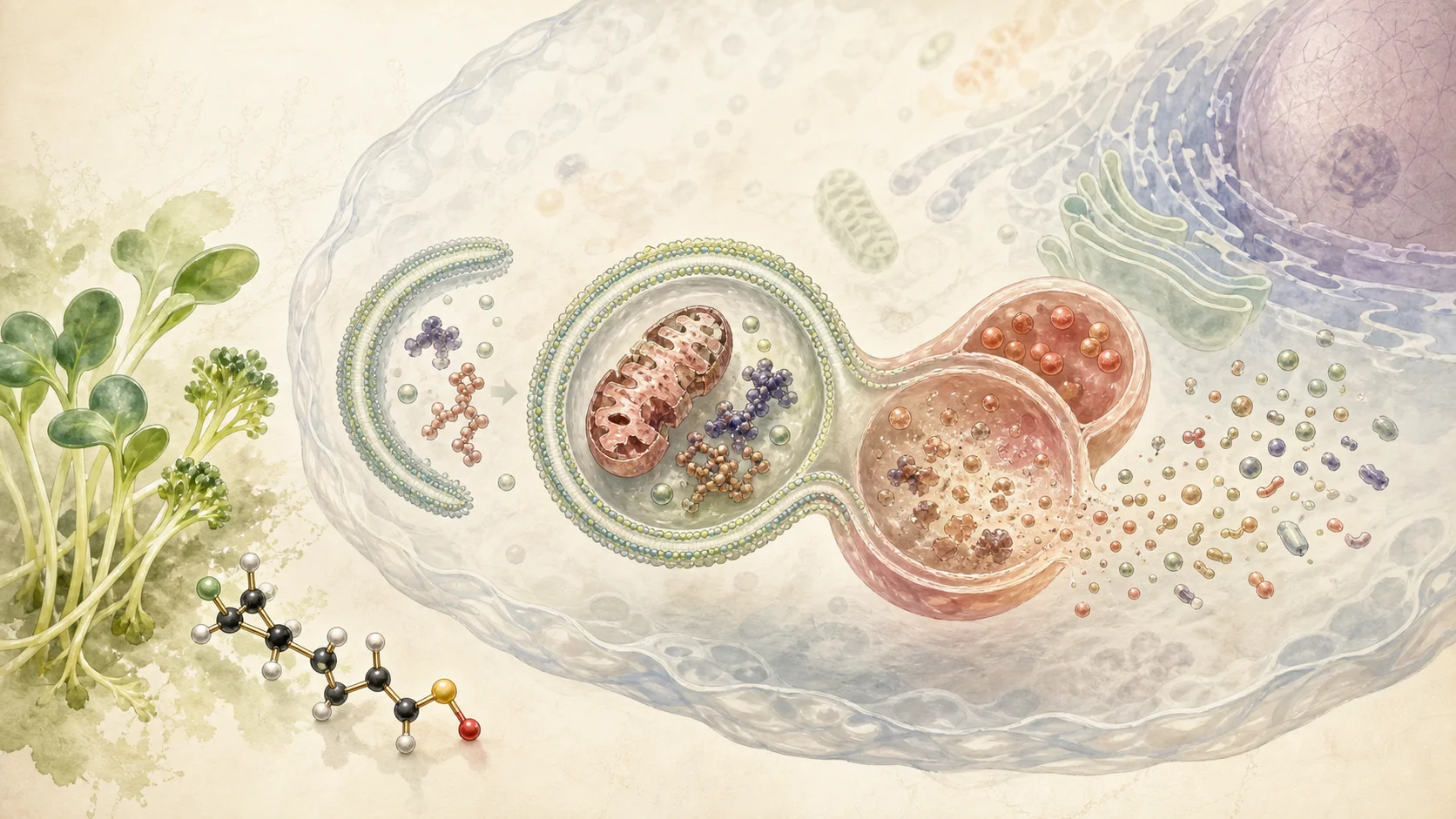
Autophagy encloses, breaks down, and reuses worn cell components. Explore cultured cell research linking sulforaphane with mTOR, TFEB, and ERK signaling.

Sleep and cells
Cellular defenses studied in sleep apnea research
Researchers studied sulforaphane responses in mice exposed to repeated low oxygen and in cultured neurons, examining NRF2, endoplasmic reticulum stress, and brain cell injury.
Understanding ingredients
Phosphatidylserine and sulforaphane in cognitive health research
Phosphatidylserine helps organize cell membrane signaling, while sulforaphane regulates defense genes. Explore their roles and results from human cognition tests.