SOD and antioxidant mechanisms
SOD, broccoli sprouts, and sulforaphane
Explore how SOD processes reactive oxygen and how sulforaphane relates to cellular defense genes, including enzyme formulations, human studies, and conversion in broccoli sprouts.

01
SOD: an antioxidant enzyme our bodies make
SOD stands for superoxide dismutase. This protein enzyme speeds the conversion of superoxide (O₂•⁻), a reactive oxygen species, into hydrogen peroxide (H₂O₂) and oxygen (O₂).
The body makes SOD. SOD1 acts mainly in the cytoplasm, SOD2 in mitochondria, and SOD3 outside cells.
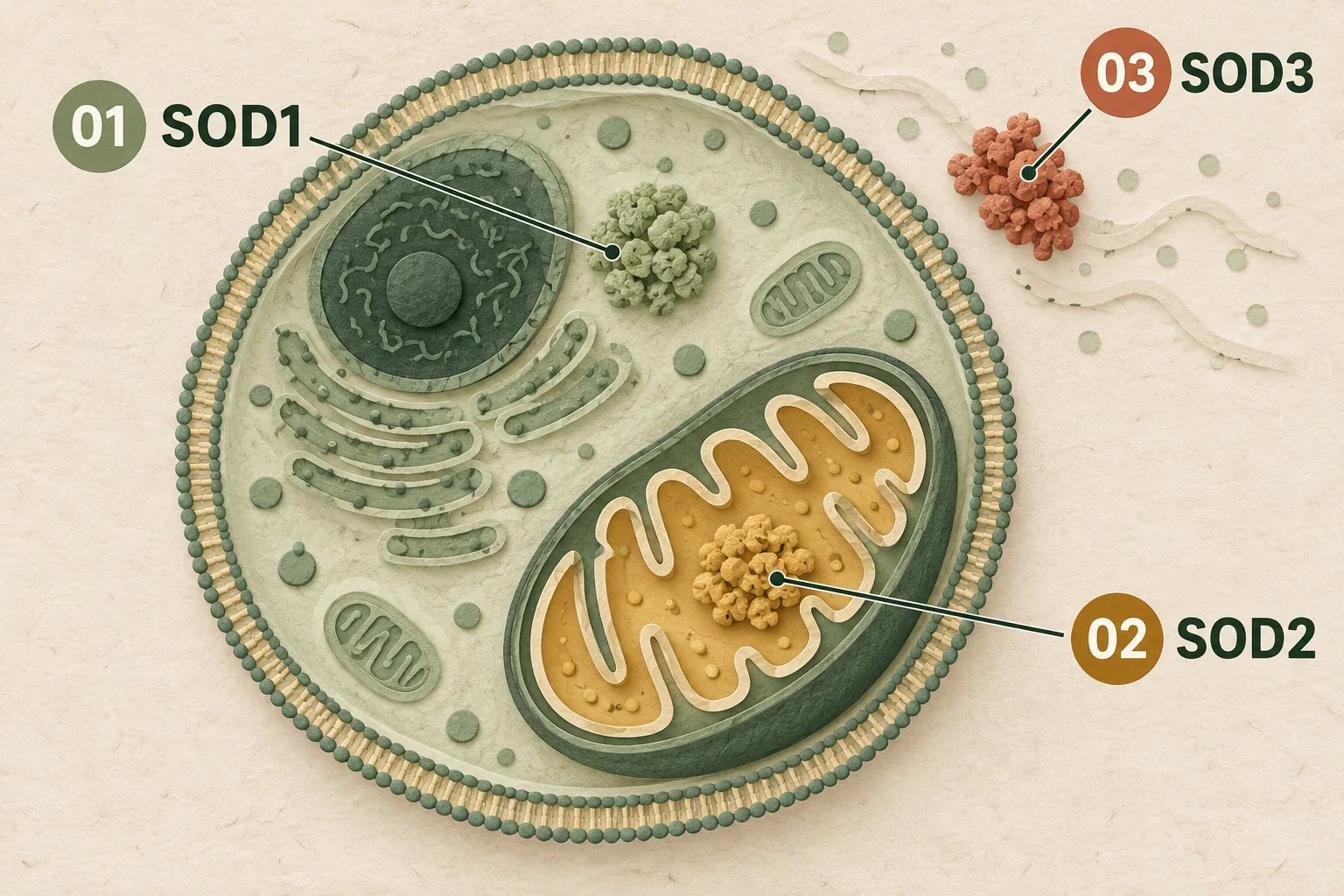
SOD forms are distinguished by where they act.
- SOD1 · cytoplasm
Processes superoxide mainly in the cytoplasm.
- SOD2 · mitochondria
Acts in the mitochondrial matrix.
- SOD3 · outside cells
Participates in antioxidant reactions outside cells.
↔ Scroll horizontally to view the full table.
| Type | Main location | Characteristics |
|---|---|---|
| SOD1 · Cu/Zn-SOD | Cytoplasm and elsewhere | Contains copper and zinc; helps process intracellular superoxide. |
| SOD2 · Mn-SOD | Mitochondrial matrix | Uses manganese and acts inside mitochondria. |
| SOD3 · EC-SOD | Outside cells | Copper and zinc SOD secreted outside cells. |
02
Other enzymes continue the reaction started by SOD
Catalase, glutathione peroxidase (GPX), and peroxiredoxin (PRX) process the hydrogen peroxide produced by SOD.
Glutathione and thioredoxin used in these reactions are regenerated by reductases with electrons supplied by NADPH. SOD is one part of a defense system that also processes peroxide and regenerates antioxidants.
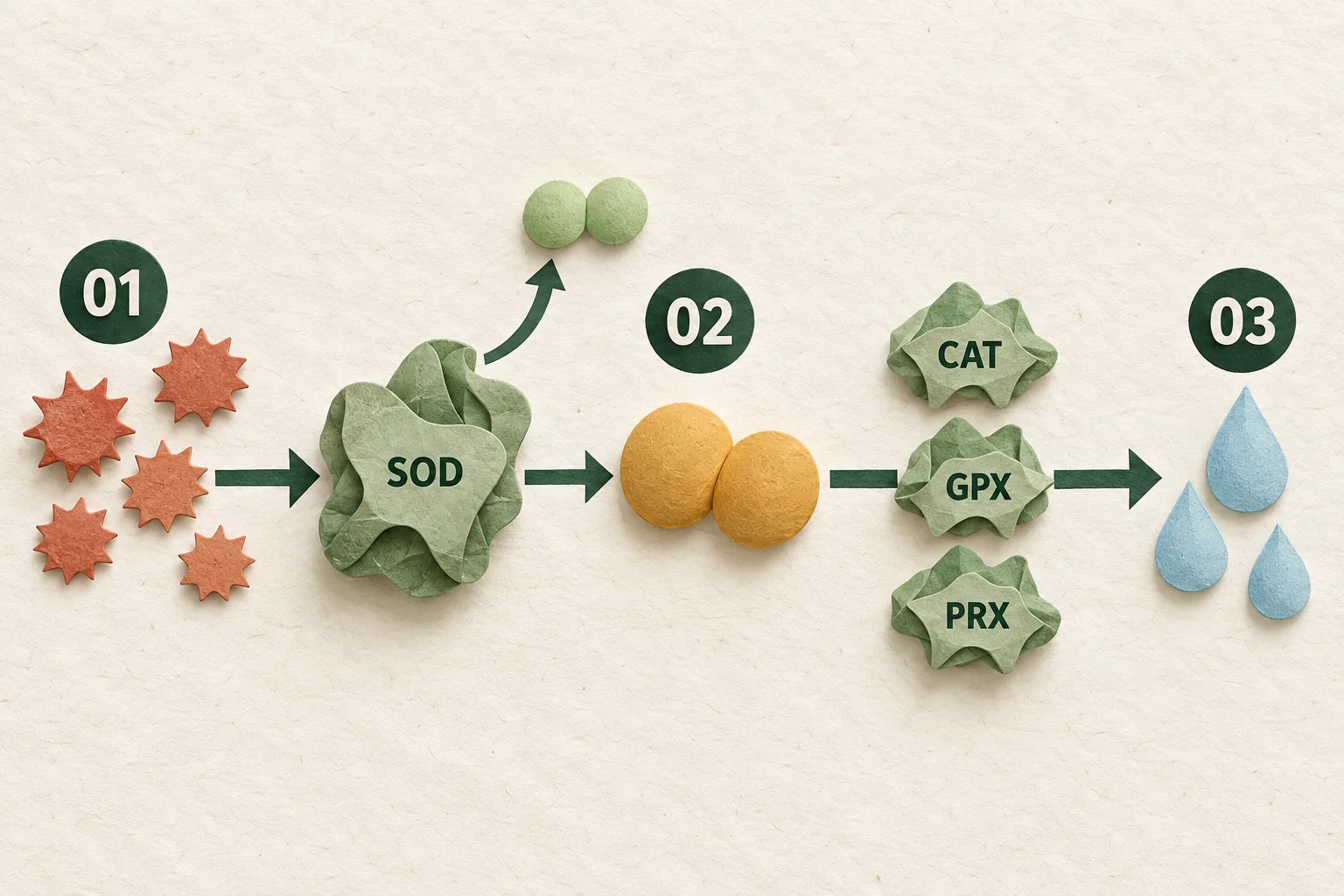
Other enzymes process the hydrogen peroxide formed by SOD.
- Superoxide
The starting molecule for the reaction catalyzed by SOD.
- Hydrogen peroxide
Produced along with oxygen by SOD and passed to the next processing stage.
- Peroxide processing
CAT, GPX, and PRX help turn hydrogen peroxide into water.
03
Taking SOD ingredients and studying cellular defense
Oral SOD ingredients deliver enzyme proteins derived from plants or other sources. Digestion affects proteins, so research examines enzyme activity in the ingredient and formulations that protect it. One example combines melon SOD with gliadin, a wheat protein.
Sulforaphane affects regulation of cellular defense genes. Cell and animal studies have measured expression of the body’s own SOD; some human studies have measured SOD activity in blood.
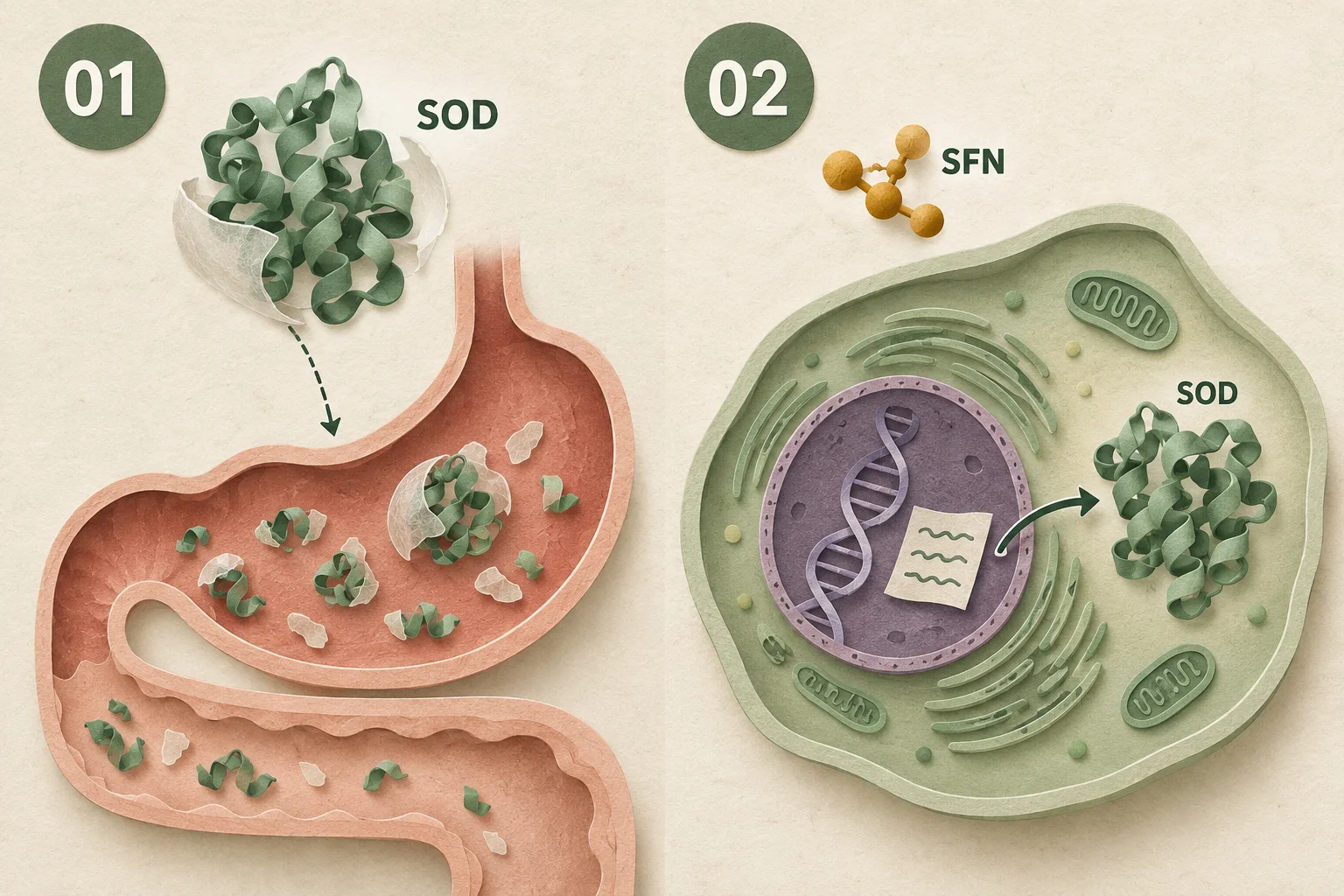
Oral enzyme protein and cellular defense gene responses are distinct research approaches.
- Oral SOD ingredients
Researchers study enzyme activity and formulations that protect proteins during digestion.
- Internal defense response
Sulforaphane studies measure gene responses and changes in SOD expression or activity under defined conditions.
↔ Scroll horizontally to view the full table.
| Comparison | Oral SOD ingredient | Sulforaphane approach |
|---|---|---|
| Ingredient consumed | Material or formulation containing SOD enzyme | Sulforaphane or a precursor and enzyme combination that generates it |
| Research focus | Preserving enzyme activity through digestion and measuring bodily responses | Studying KEAP1–Nrf2 signaling and defense gene responses |
| Relationship to SOD in the body | Ingredient SOD activity and bodily enzyme activity after intake are evaluated separately. | SOD expression in cell and animal studies; blood SOD activity in human studies |
| Other defenses measured | Some protected formulation studies measure SOD, catalase, and GPX together. | Studies also examine glutathione synthesis and regeneration, thioredoxin systems, NQO1, and other pathways. |
04
Why sulforaphane is studied in defense signaling
Sulforaphane is a small molecule in the isothiocyanate family formed from glucoraphanin in broccoli sprouts.
In cells, KEAP1 regulates breakdown of Nrf2. When sulforaphane reacts with KEAP1 sensing sites, Nrf2 breakdown can fall, allowing Nrf2 to accumulate and regulate defense genes in the nucleus. This is the KEAP1–Nrf2 pathway often studied with sulforaphane.
Studies of this pathway examine several enzymes involved in antioxidant synthesis and regeneration and the metabolism of reactive compounds.
05
Gene expression and enzyme activity measure different changes
Gene expression measures how much information for making an enzyme is read, protein level measures how much enzyme is present, and enzyme activity measures its ability to perform a reaction. The following studies measured different stages.
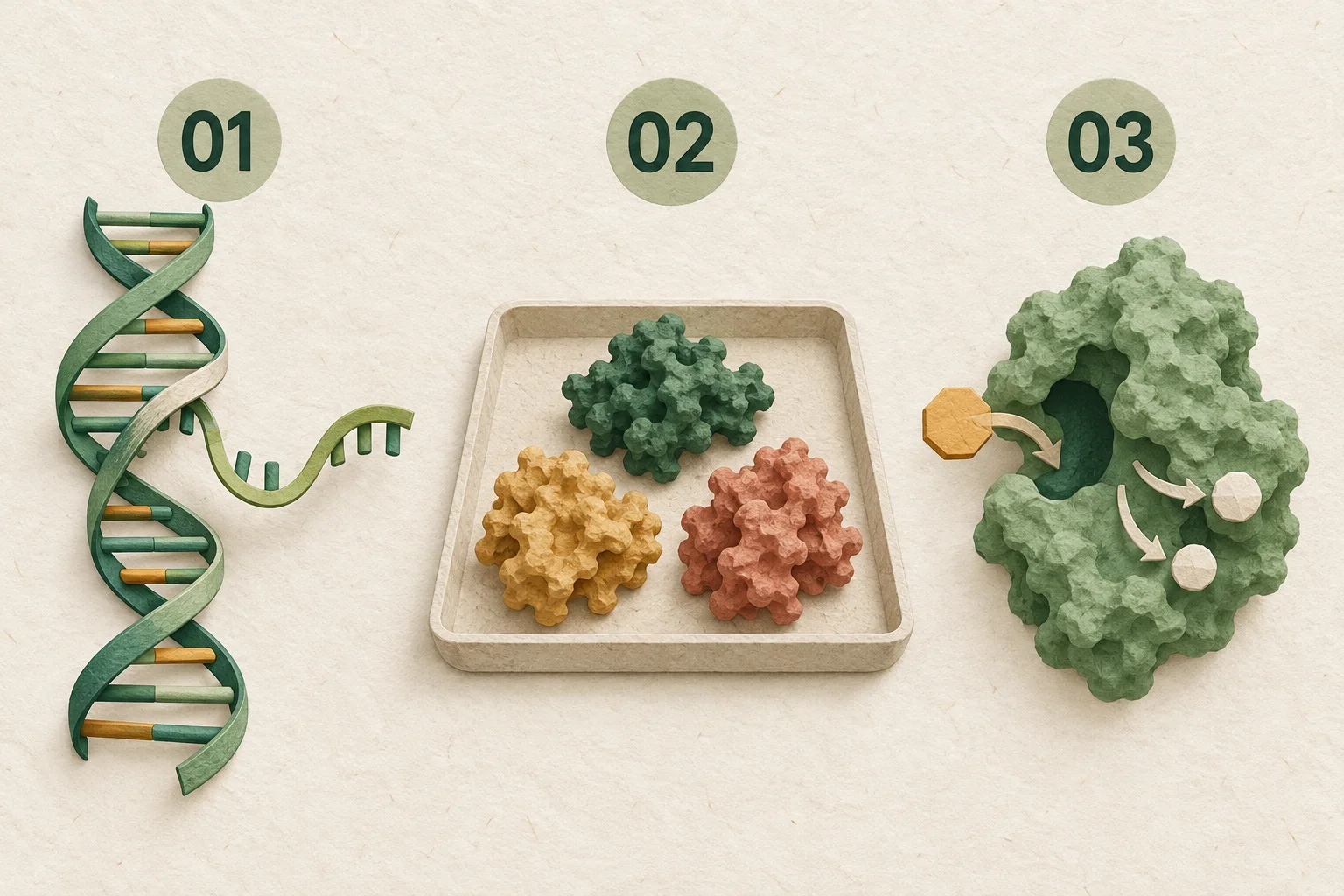
Gene expression, protein amount, and enzyme activity measure different things.
- Gene expression
How actively the information for producing an enzyme is read.
- Protein amount
How much enzyme protein has been made and is present.
- Enzyme activity
How effectively the enzyme performs its reaction.
↔ Scroll horizontally to view the full table.
| Study and conditions | Measured outcome | Observed result |
|---|---|---|
| Bose et al. · 2020 / young and old male mice, 12 week sulforaphane diet | Gene expression in heart and skeletal muscle | Several transcripts, including Sod1, Sod2, and Cat, were higher in older mice than in control diet mice. |
| Zeng et al. · 2024 / schizophrenia patients maintaining medication, uncontrolled 24 week study, 45 completers | Blood SOD activity | Blood SOD activity increased from baseline. |
| Riedl et al. · 2009 / healthy adults, three days of broccoli sprout homogenate | Defense gene expression in nasal lavage cells | GSTM1, GSTP1, NQO1, and HO-1 RNA increased. |
| Wise et al. · 2016 / 89 COPD patients, 25 or 150 μmol sulforaphane daily, four week placebo controlled trial | Nrf2 targets in airway cells and clinical measures | Target gene expression, inflammation, and lung function did not differ significantly between groups. |
06
Oral SOD research depends on formulation and measured outcomes
Formulation also mattered in oral SOD research. In a 28 day mouse experiment by Vouldoukis and colleagues, a gliadin bound melon SOD formulation changed blood SOD, catalase, and GPX activity compared with unprotected melon SOD extract.
Muth and colleagues compared an SOD–gliadin formulation with placebo in 20 healthy adults. After hyperbaric oxygen exposure, some DNA damage and lipid oxidation markers were lower in the intake group, but SOD and catalase activity did not change significantly.
07
How broccoli sprouts generate sulforaphane
Glucoraphanin in broccoli sprouts is a sulforaphane precursor; myrosinase is an enzyme that helps conversion. When sprout tissue is broken and both meet in a moist environment, sulforaphane formation can proceed.
A 2026 crossover trial in 16 adults showed the difference. All participants received 50 mg glucoraphanin from broccoli seed extract and 100 mg vitamin C. Researchers compared adding mustard seed myrosinase with leaving it out.
The mean 24 hour urinary recovery of sulforaphane and metabolites, relative to the molar glucoraphanin dose, was 39.8% with myrosinase and 18.6% without it. Urinary metabolites measured conversion and availability for these formulations.
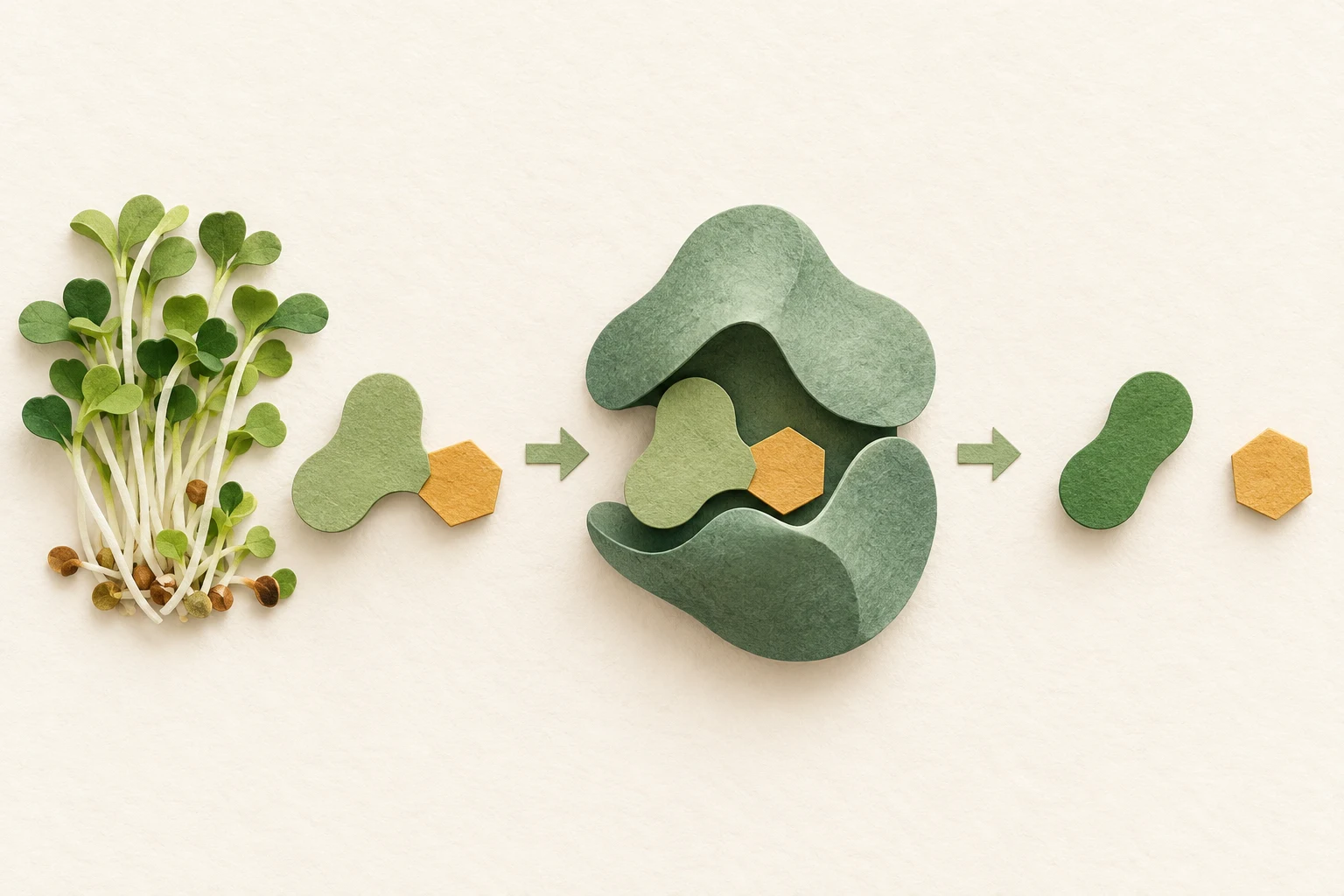
From left: precursor, contact with enzyme, and converted product. Concept illustration of glucoraphanin becoming sulforaphane.
- 01
Glucoraphanin · precursor
The precursor to sulforaphane in sprouts.
- 02
Myrosinase · conversion enzyme
Helps break down and convert the precursor in a moist environment.
- 03
Sulforaphane · product
The molecule studied in KEAP1–Nrf2 and other cellular responses.
Sources [12]
References
Oct 19, 2026 sources reviewed
- UniProt · Human SOD1 reaction and location ↗
Copper and zinc SOD1, its superoxide dismutation reaction, and cellular location.
- UniProt · Mitochondrial SOD2 ↗
Manganese dependent SOD2 and its role in the mitochondrial matrix.
- UniProt · Extracellular SOD3 ↗
Characteristics of copper and zinc SOD secreted outside cells.
- UniProt · Catalase and hydrogen peroxide breakdown ↗
Enzyme reaction converting hydrogen peroxide to water and oxygen.
- Vouldoukis et al. (2004) · Protected plant SOD formulation in mice ↗
A 28 day mouse intake experiment comparing unprotected melon SOD extract with a gliadin bound formulation. DOI: 10.1002/ptr.1542.
- Muth et al. (2004) · Human trial of an SOD–gliadin formulation ↗
Randomized double blind placebo controlled trial in 20 healthy adults measuring DNA damage, lipid oxidation, and antioxidant enzyme activity after hyperbaric oxygen exposure. DOI: 10.1080/10715760412331273197.
- Zhang et al. (2004) · Keap1 Is a Redox-Regulated Substrate Adaptor Protein for a Cul3-Dependent Ubiquitin Ligase Complex ↗
Cell study of KEAP1 and CUL3 marking Nrf2 for breakdown and sulforaphane regulation.
- Bose et al. (2020) · Sulforaphane diet and antioxidant gene expression in mice ↗
Twelve week sulforaphane diet in male mice, measuring Sod1, Sod2, Cat, and other transcripts in heart and skeletal muscle. DOI: 10.1111/acel.13261.
- Zeng et al. (2024) · Add on sulforaphane and blood SOD activity ↗
Single arm study in schizophrenia patients maintaining medication; 66 recruited and 45 completed 24 weeks. Online in 2023, journal issue in 2024. DOI: 10.1007/s00406-023-01679-7.
- Riedl et al. (2009) · Broccoli sprouts and defense genes in the human upper airway ↗
GSTM1, GSTP1, NQO1, and HO-1 RNA measured in nasal lavage cells after three days of broccoli sprout homogenate. DOI: 10.1016/j.clim.2008.10.007.
- Wise et al. (2016) · Sulforaphane intake and NRF2 response in COPD ↗
Four week placebo controlled trial in 89 COPD patients assessing airway cell NRF2 targets, inflammation, and lung function.
- Mastaloudis et al. (2026) · Myrosinase and sulforaphane bioavailability ↗
Randomized double blind crossover trial in 16 adults comparing mustard seed myrosinase with no added enzyme alongside 50 mg glucoraphanin and 100 mg vitamin C. Ingredient company interests were disclosed.
- Malhotra et al. (2010) · Global Mapping of Binding Sites for Nrf2 Identifies Novel Targets in Cell Survival Response through ChIP-Seq Profiling and Network Analysis ↗
Nrf2 DNA binding and gene expression in mouse embryonic fibroblasts, including glutathione, thioredoxin reductase, and sulfiredoxin defense genes.
Read next
Explore the Journal →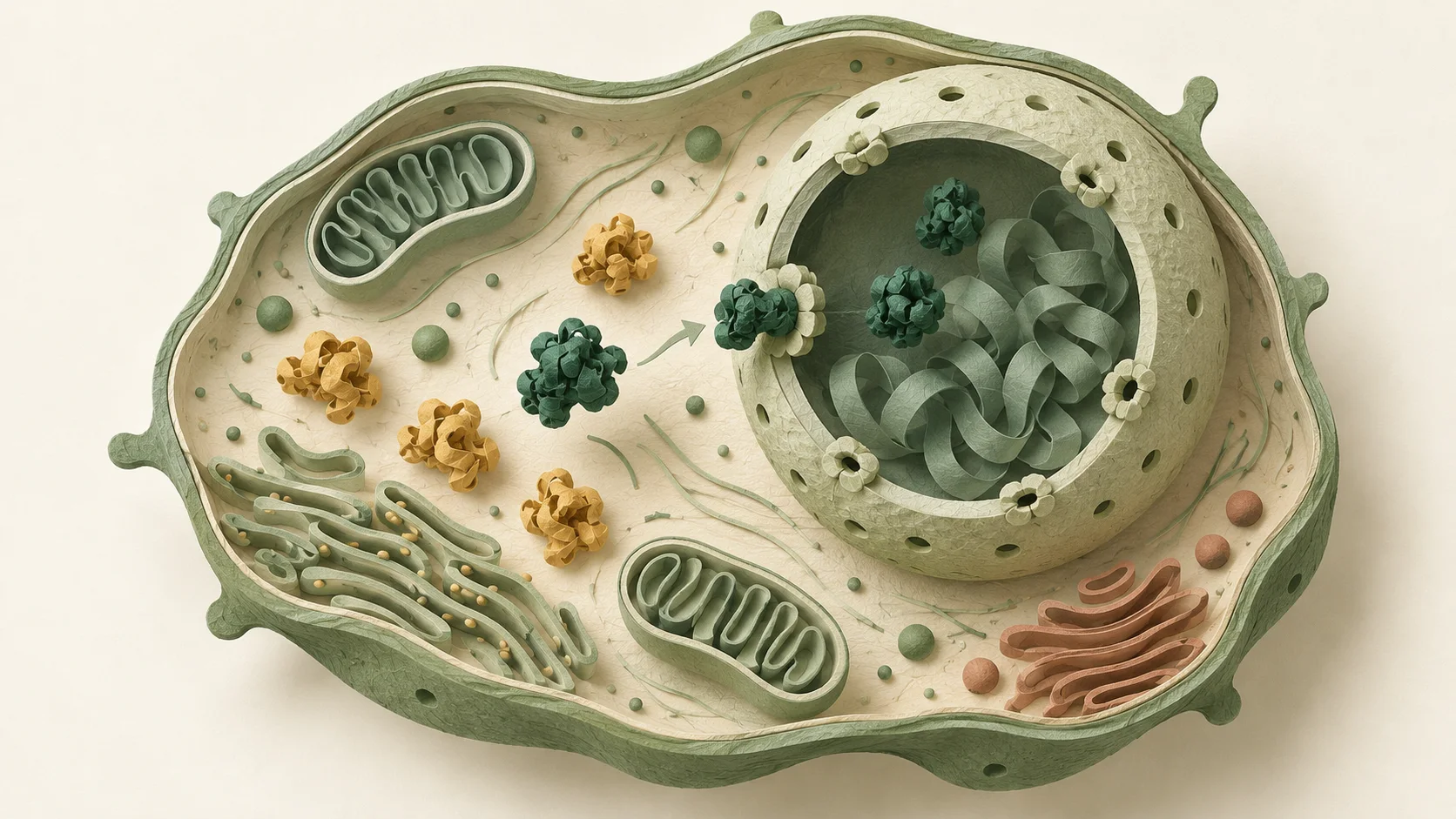
Cellular health basics
Sulforaphane and cellular health: how defense works
Explore how sulforaphane relates to cellular defense genes through KEAP1–NRF2 signaling, from reactive oxygen processing and antioxidant regeneration to human studies.
Research on cellular aging
Sulforaphane and cellular aging: reading the clocks
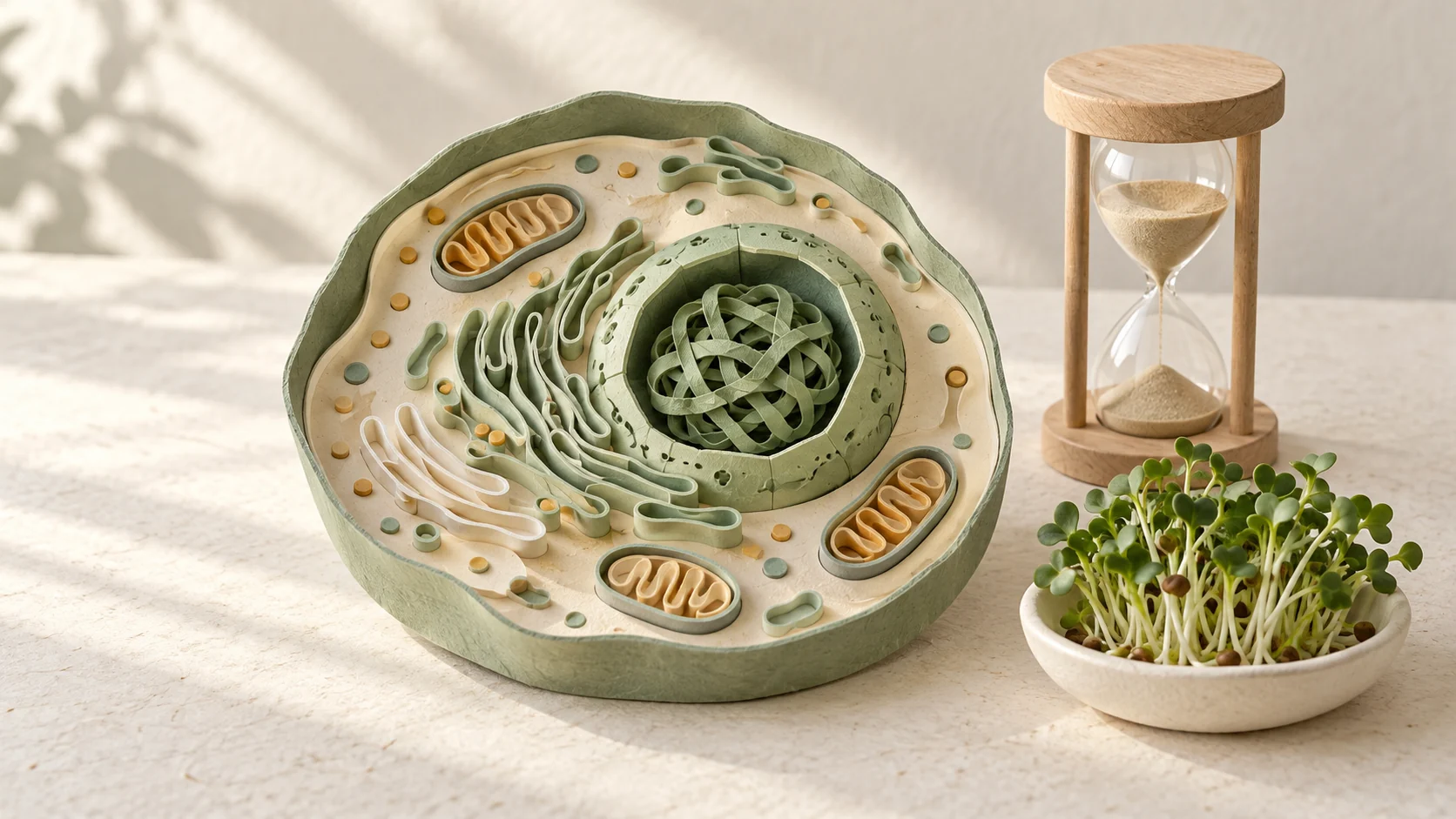
Explore cell senescence, immune cell responses after exercise, and gene expression based aging clocks through sulforaphane research.

Aging well
Healthy aging: cognition and cellular defense
Explore sulforaphane and healthy aging through a 12 week cognition trial, a 42 month pilot study, and research on glutathione in blood immune cells.
Understanding cells
Cellular recycling: autophagy and sulforaphane
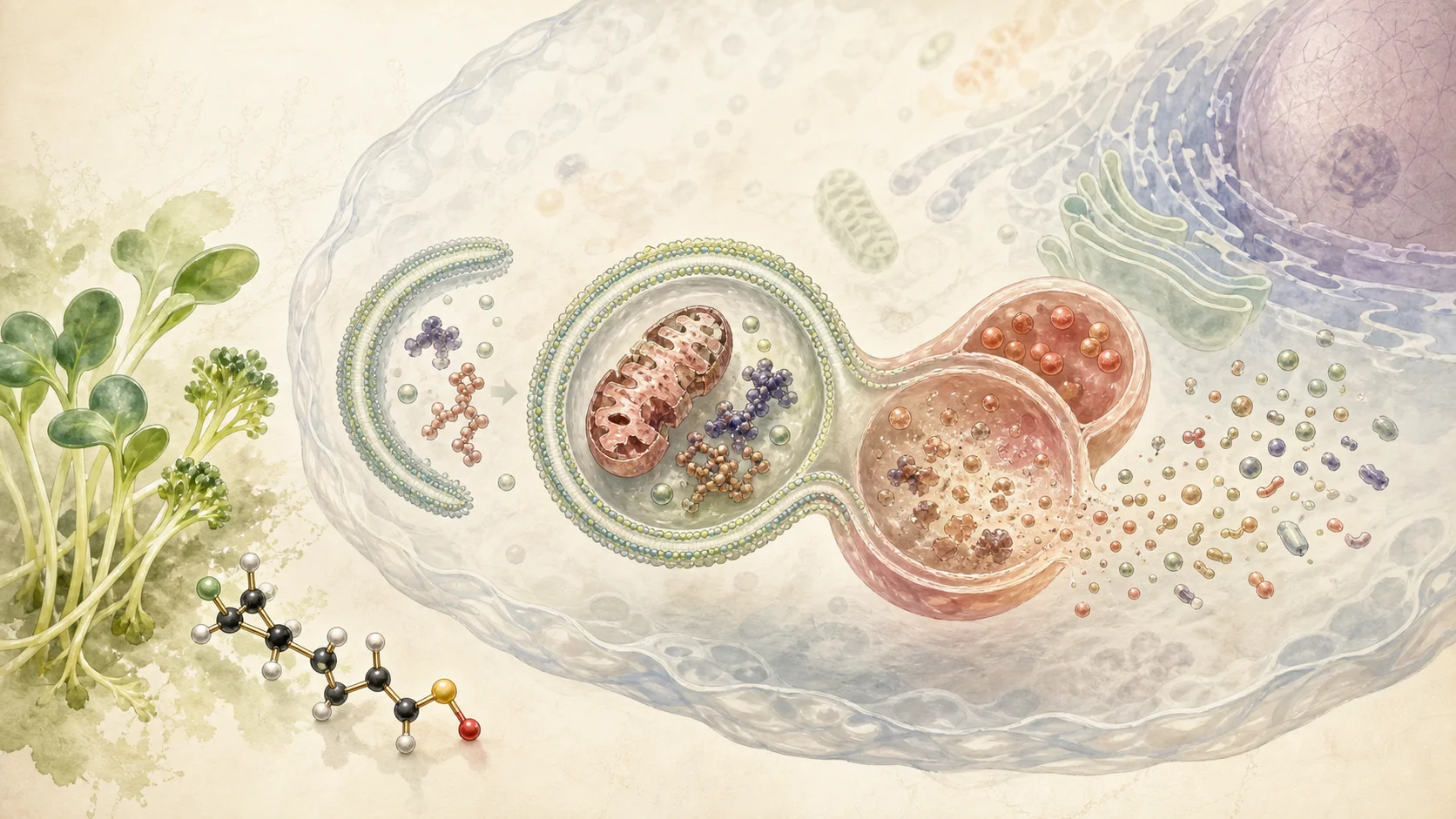
Autophagy encloses, breaks down, and reuses worn cell components. Explore cultured cell research linking sulforaphane with mTOR, TFEB, and ERK signaling.
Sleep and cells
Cellular defenses studied in sleep apnea research
Researchers studied sulforaphane responses in mice exposed to repeated low oxygen and in cultured neurons, examining NRF2, endoplasmic reticulum stress, and brain cell injury.
Understanding ingredients
Phosphatidylserine and sulforaphane in cognitive health research
Phosphatidylserine helps organize cell membrane signaling, while sulforaphane regulates defense genes. Explore their roles and results from human cognition tests.