From research to everyday life
MANMEOKSUL Journal07
Explore broccoli sprouts and sulforaphane
through research and everyday questions.
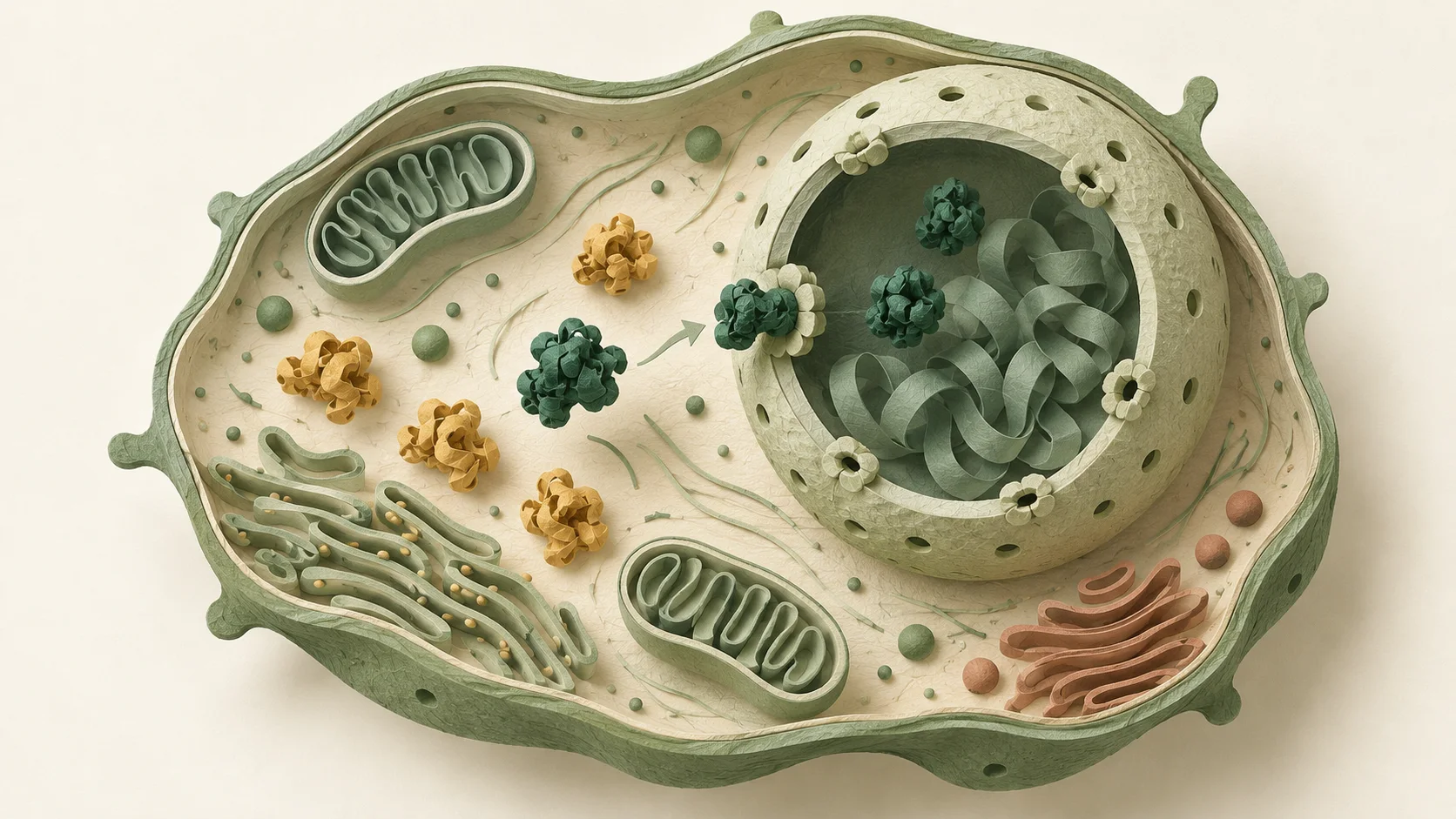
Cellular health basics
Explore how sulforaphane relates to cellular defense genes through KEAP1–NRF2 signaling, from reactive oxygen processing and antioxidant regeneration to human studies.
More stories to read
Cells · Sleep · Cognitive health
Research on cellular aging
Explore cell senescence, immune cell responses after exercise, and gene expression based aging clocks through sulforaphane research.
SOD and antioxidant mechanisms
Explore how SOD processes reactive oxygen and how sulforaphane relates to cellular defense genes, including enzyme formulations, human studies, and conversion in broccoli sprouts.
Aging well
Explore sulforaphane and healthy aging through a 12 week cognition trial, a 42 month pilot study, and research on glutathione in blood immune cells.
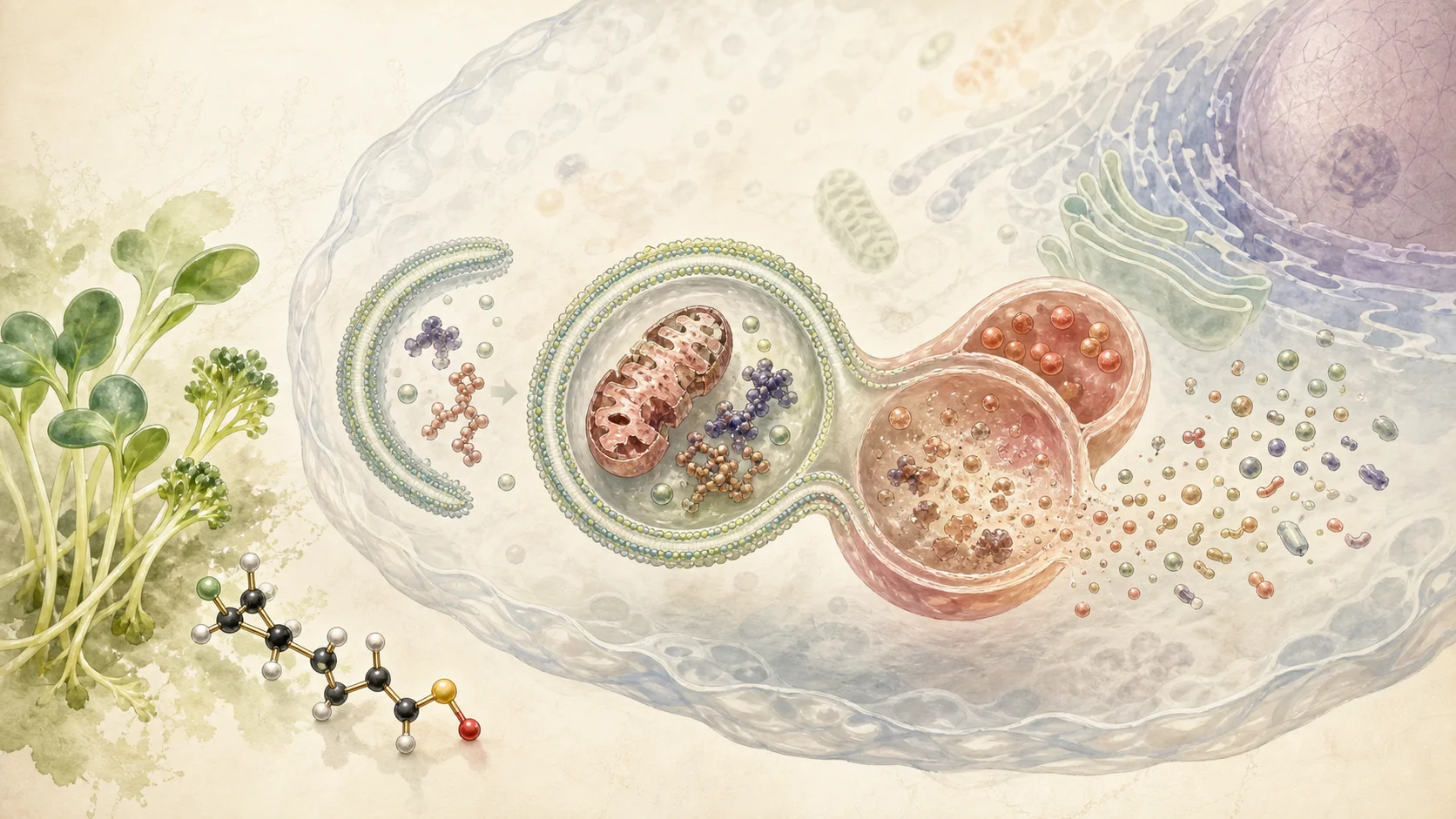
Understanding cells
Autophagy encloses, breaks down, and reuses worn cell components. Explore cultured cell research linking sulforaphane with mTOR, TFEB, and ERK signaling.
Sleep and cells
Researchers studied sulforaphane responses in mice exposed to repeated low oxygen and in cultured neurons, examining NRF2, endoplasmic reticulum stress, and brain cell injury.
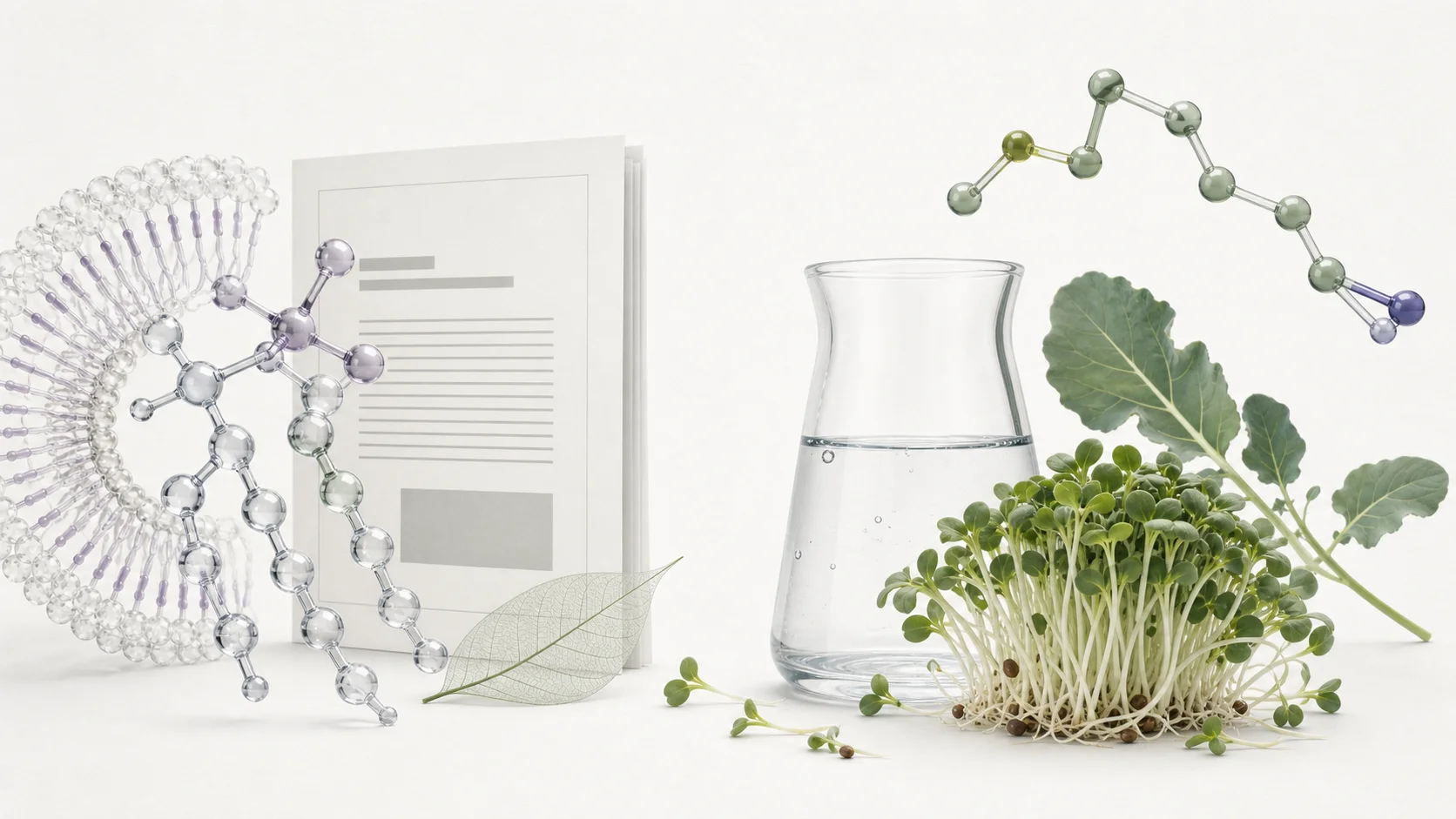
Understanding ingredients
Phosphatidylserine helps organize cell membrane signaling, while sulforaphane regulates defense genes. Explore their roles and results from human cognition tests.